Archives for: July 2008
07/25/08

Understanding Light Stops
Save & Share:
Backflip
Blinkbits
Blinklist
Blogmarks
Buddymarks
CiteULike
Digg
Diigo
Delicious
Dzone
Facebook
Fark
Feedmarker
FeedMeLinks
Furl
GiveaLink
Google
Gravee
Hyperlinkomatic
igooi
Kinja
Lilisto
Linkagogo
Linkroll
Live
LookLater
Netscape
Netvouz
Newsvine
Plugim
RawSugar
Reddit
Rojo
Scuttle
Segnalo
Shadows
Simpy
Smarking
Sphere
Spurl
Squidoo
Stumbleupon
Tagtooga
Tailrank
Technorati
Unalog
Wink
Wists
Yahoo
Zurpy
07/18/08
Serious about becoming a Pro Wedding Photographer?

Save & Share:
Backflip
Blinkbits
Blinklist
Blogmarks
Buddymarks
CiteULike
Digg
Diigo
Delicious
Dzone
Facebook
Fark
Feedmarker
FeedMeLinks
Furl
GiveaLink
Google
Gravee
Hyperlinkomatic
igooi
Kinja
Lilisto
Linkagogo
Linkroll
Live
LookLater
Netscape
Netvouz
Newsvine
Plugim
RawSugar
Reddit
Rojo
Scuttle
Segnalo
Shadows
Simpy
Smarking
Sphere
Spurl
Squidoo
Stumbleupon
Tagtooga
Tailrank
Technorati
Unalog
Wink
Wists
Yahoo
Zurpy
07/16/08
Top 10: Ridiculous Wedding Customs
Save & Share:
Backflip
Blinkbits
Blinklist
Blogmarks
Buddymarks
CiteULike
Digg
Diigo
Delicious
Dzone
Facebook
Fark
Feedmarker
FeedMeLinks
Furl
GiveaLink
Google
Gravee
Hyperlinkomatic
igooi
Kinja
Lilisto
Linkagogo
Linkroll
Live
LookLater
Netscape
Netvouz
Newsvine
Plugim
RawSugar
Reddit
Rojo
Scuttle
Segnalo
Shadows
Simpy
Smarking
Sphere
Spurl
Squidoo
Stumbleupon
Tagtooga
Tailrank
Technorati
Unalog
Wink
Wists
Yahoo
Zurpy
Old Image Technique

Save & Share:
Backflip
Blinkbits
Blinklist
Blogmarks
Buddymarks
CiteULike
Digg
Diigo
Delicious
Dzone
Facebook
Fark
Feedmarker
FeedMeLinks
Furl
GiveaLink
Google
Gravee
Hyperlinkomatic
igooi
Kinja
Lilisto
Linkagogo
Linkroll
Live
LookLater
Netscape
Netvouz
Newsvine
Plugim
RawSugar
Reddit
Rojo
Scuttle
Segnalo
Shadows
Simpy
Smarking
Sphere
Spurl
Squidoo
Stumbleupon
Tagtooga
Tailrank
Technorati
Unalog
Wink
Wists
Yahoo
Zurpy
07/14/08
Pro Photo Life Blog

Save & Share:
Backflip
Blinkbits
Blinklist
Blogmarks
Buddymarks
CiteULike
Digg
Diigo
Delicious
Dzone
Facebook
Fark
Feedmarker
FeedMeLinks
Furl
GiveaLink
Google
Gravee
Hyperlinkomatic
igooi
Kinja
Lilisto
Linkagogo
Linkroll
Live
LookLater
Netscape
Netvouz
Newsvine
Plugim
RawSugar
Reddit
Rojo
Scuttle
Segnalo
Shadows
Simpy
Smarking
Sphere
Spurl
Squidoo
Stumbleupon
Tagtooga
Tailrank
Technorati
Unalog
Wink
Wists
Yahoo
Zurpy
07/11/08
Filters 101
Save & Share:
Backflip
Blinkbits
Blinklist
Blogmarks
Buddymarks
CiteULike
Digg
Diigo
Delicious
Dzone
Facebook
Fark
Feedmarker
FeedMeLinks
Furl
GiveaLink
Google
Gravee
Hyperlinkomatic
igooi
Kinja
Lilisto
Linkagogo
Linkroll
Live
LookLater
Netscape
Netvouz
Newsvine
Plugim
RawSugar
Reddit
Rojo
Scuttle
Segnalo
Shadows
Simpy
Smarking
Sphere
Spurl
Squidoo
Stumbleupon
Tagtooga
Tailrank
Technorati
Unalog
Wink
Wists
Yahoo
Zurpy
07/09/08
10 Ways to Take Stunning Portraits

Save & Share:
Backflip
Blinkbits
Blinklist
Blogmarks
Buddymarks
CiteULike
Digg
Diigo
Delicious
Dzone
Facebook
Fark
Feedmarker
FeedMeLinks
Furl
GiveaLink
Google
Gravee
Hyperlinkomatic
igooi
Kinja
Lilisto
Linkagogo
Linkroll
Live
LookLater
Netscape
Netvouz
Newsvine
Plugim
RawSugar
Reddit
Rojo
Scuttle
Segnalo
Shadows
Simpy
Smarking
Sphere
Spurl
Squidoo
Stumbleupon
Tagtooga
Tailrank
Technorati
Unalog
Wink
Wists
Yahoo
Zurpy
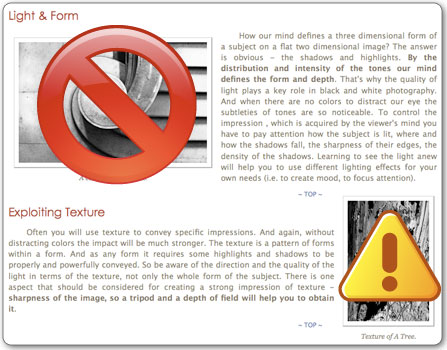
When Pictures Hurt Websites
Save & Share:
Backflip
Blinkbits
Blinklist
Blogmarks
Buddymarks
CiteULike
Digg
Diigo
Delicious
Dzone
Facebook
Fark
Feedmarker
FeedMeLinks
Furl
GiveaLink
Google
Gravee
Hyperlinkomatic
igooi
Kinja
Lilisto
Linkagogo
Linkroll
Live
LookLater
Netscape
Netvouz
Newsvine
Plugim
RawSugar
Reddit
Rojo
Scuttle
Segnalo
Shadows
Simpy
Smarking
Sphere
Spurl
Squidoo
Stumbleupon
Tagtooga
Tailrank
Technorati
Unalog
Wink
Wists
Yahoo
Zurpy
07/08/08
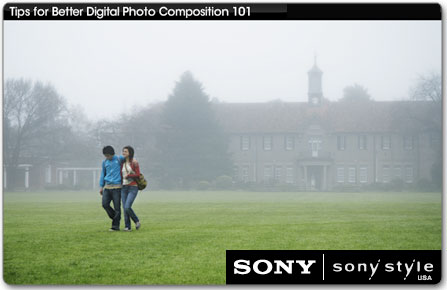
Tips for Better Digital Photo Composition 101
Save & Share:
Backflip
Blinkbits
Blinklist
Blogmarks
Buddymarks
CiteULike
Digg
Diigo
Delicious
Dzone
Facebook
Fark
Feedmarker
FeedMeLinks
Furl
GiveaLink
Google
Gravee
Hyperlinkomatic
igooi
Kinja
Lilisto
Linkagogo
Linkroll
Live
LookLater
Netscape
Netvouz
Newsvine
Plugim
RawSugar
Reddit
Rojo
Scuttle
Segnalo
Shadows
Simpy
Smarking
Sphere
Spurl
Squidoo
Stumbleupon
Tagtooga
Tailrank
Technorati
Unalog
Wink
Wists
Yahoo
Zurpy
Myth: Lens with IS on tripod introduce shake into the image
Save & Share:
Backflip
Blinkbits
Blinklist
Blogmarks
Buddymarks
CiteULike
Digg
Diigo
Delicious
Dzone
Facebook
Fark
Feedmarker
FeedMeLinks
Furl
GiveaLink
Google
Gravee
Hyperlinkomatic
igooi
Kinja
Lilisto
Linkagogo
Linkroll
Live
LookLater
Netscape
Netvouz
Newsvine
Plugim
RawSugar
Reddit
Rojo
Scuttle
Segnalo
Shadows
Simpy
Smarking
Sphere
Spurl
Squidoo
Stumbleupon
Tagtooga
Tailrank
Technorati
Unalog
Wink
Wists
Yahoo
Zurpy
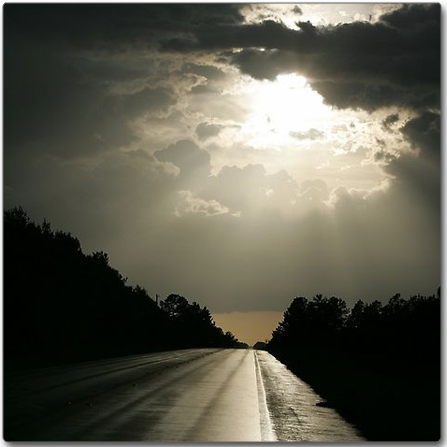
Article: FREE Photography (part 1 - Feel)
Save & Share:
Backflip
Blinkbits
Blinklist
Blogmarks
Buddymarks
CiteULike
Digg
Diigo
Delicious
Dzone
Facebook
Fark
Feedmarker
FeedMeLinks
Furl
GiveaLink
Google
Gravee
Hyperlinkomatic
igooi
Kinja
Lilisto
Linkagogo
Linkroll
Live
LookLater
Netscape
Netvouz
Newsvine
Plugim
RawSugar
Reddit
Rojo
Scuttle
Segnalo
Shadows
Simpy
Smarking
Sphere
Spurl
Squidoo
Stumbleupon
Tagtooga
Tailrank
Technorati
Unalog
Wink
Wists
Yahoo
Zurpy
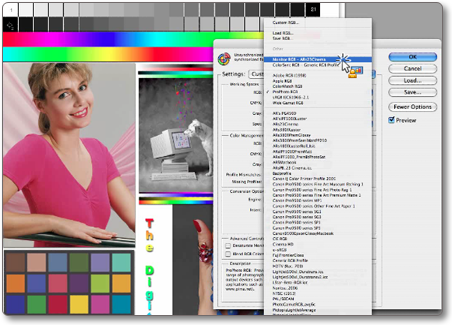
Color Managed Proofing and Printing with Photoshop CS3
Save & Share:
Backflip
Blinkbits
Blinklist
Blogmarks
Buddymarks
CiteULike
Digg
Diigo
Delicious
Dzone
Facebook
Fark
Feedmarker
FeedMeLinks
Furl
GiveaLink
Google
Gravee
Hyperlinkomatic
igooi
Kinja
Lilisto
Linkagogo
Linkroll
Live
LookLater
Netscape
Netvouz
Newsvine
Plugim
RawSugar
Reddit
Rojo
Scuttle
Segnalo
Shadows
Simpy
Smarking
Sphere
Spurl
Squidoo
Stumbleupon
Tagtooga
Tailrank
Technorati
Unalog
Wink
Wists
Yahoo
Zurpy
Photography Things
When we find something interesting and useful, which we want to return to and share with others, it will be posted here. It could be about composition, digital effects, photoshop, photography business or links to interesting websites.

Subscribe to RSS feed
| Sun | Mon | Tue | Wed | Thu | Fri | Sat |
|---|---|---|---|---|---|---|
| << < | Current | > | ||||
| 1 | 2 | 3 | 4 | 5 | ||
| 6 | 7 | 8 | 9 | 10 | 11 | 12 |
| 13 | 14 | 15 | 16 | 17 | 18 | 19 |
| 20 | 21 | 22 | 23 | 24 | 25 | 26 |
| 27 | 28 | 29 | 30 | 31 | ||
Archives
- August 2008 (1)
- July 2008 (12)
- November 2007 (8)
- October 2007 (3)
- September 2007 (7)
- August 2007 (16)
- July 2007 (13)
- June 2007 (27)
- May 2007 (27)
- April 2007 (14)
- March 2007 (16)
- February 2007 (6)
- More...
Misc
 XML Feeds
What is RSS?





Who's Online?
- Guest Users: 52

Categories
- All
- Announcements (9)
- Business of photography (45)
- Equipment (72)
- General Photography (135)
- Lightroom Tips & Tutorials (10)
- News (11)
- Photographs (67)
- Photoshop and Effects (83)
- Tips (17)
- Story of a Photograph (3)
- Studio Photography (25)
- Web & Presentation (35)
- Wedding Photography (44)
- Wedding Planning (3)
LATEST POSTS
- 3D Is Not Enough - Meet 6D
- Understanding Light Stops
- Serious about becoming a Pro Wedding Photographer?
- Top 10: Ridiculous Wedding Customs
- Old Image Technique
- Pro Photo Life Blog
- Filters 101
- 10 Ways to Take Stunning Portraits
- When Pictures Hurt Websites
- Tips for Better Digital Photo Composition 101